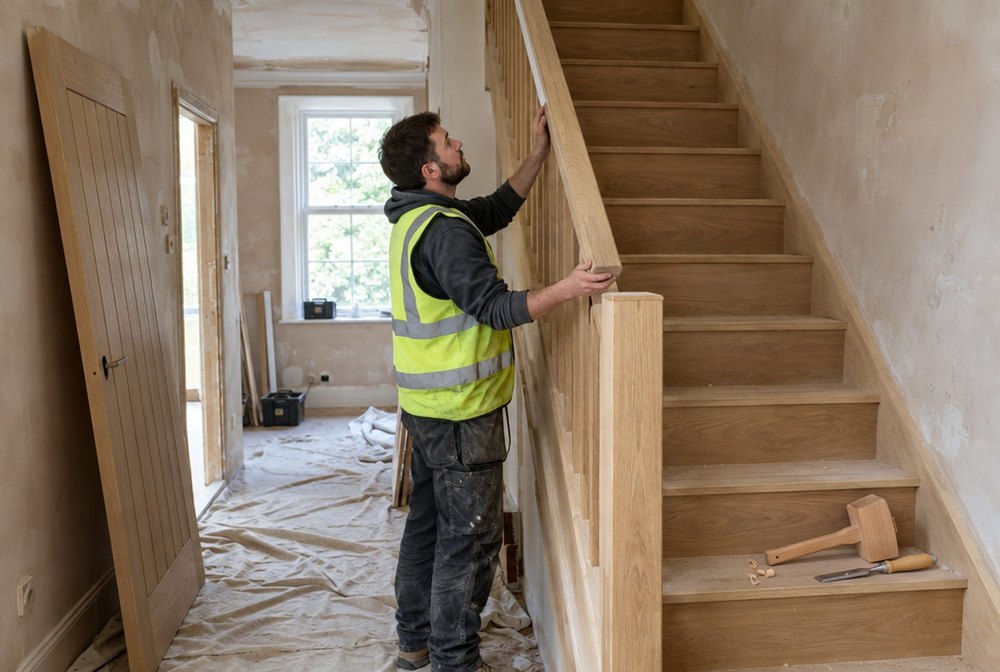
Groundworks in Medway
Footings dug to the depth the ground needs, drains laid to fall and tested, slabs level. The part of the job nobody sees, and the part everything else depends on.
Footings dug to the depth the ground needs, drains laid to fall and tested, slabs level. The part of the job nobody sees, and the part everything else depends on.
Is this the job you need?
Kent ground varies from chalk to shrinkable clay inside a few miles. Foundations are designed for what's actually under your house, not a standard depth.
Groundworks in Medway
Most of the Medway towns stand on chalk, with Thanet Formation sand on the north side of Gillingham, Rainham and Strood, clay-with-flints on the higher ground at Walderslade, Lordswood, Hempstead, Wigmore and Parkwood, and soft river alluvium along the Medway at Strood, Rochester Riverside and Chatham Maritime. Each needs a different foundation.
Chalk brings its own risks: the British Geological Survey rates old underground chalk workings and dissolution as significant across much of Medway, and Medway's flood risk assessment notes that solution features may need site investigation. The ground history should be checked before anyone digs, and STG Building Control inspect every trench before concrete goes in.
Including Gillingham, Chatham, Rochester, Strood, Rainham, Maidstone, Sittingbourne, Gravesend, Dartford, Ashford, Canterbury.
Before and after

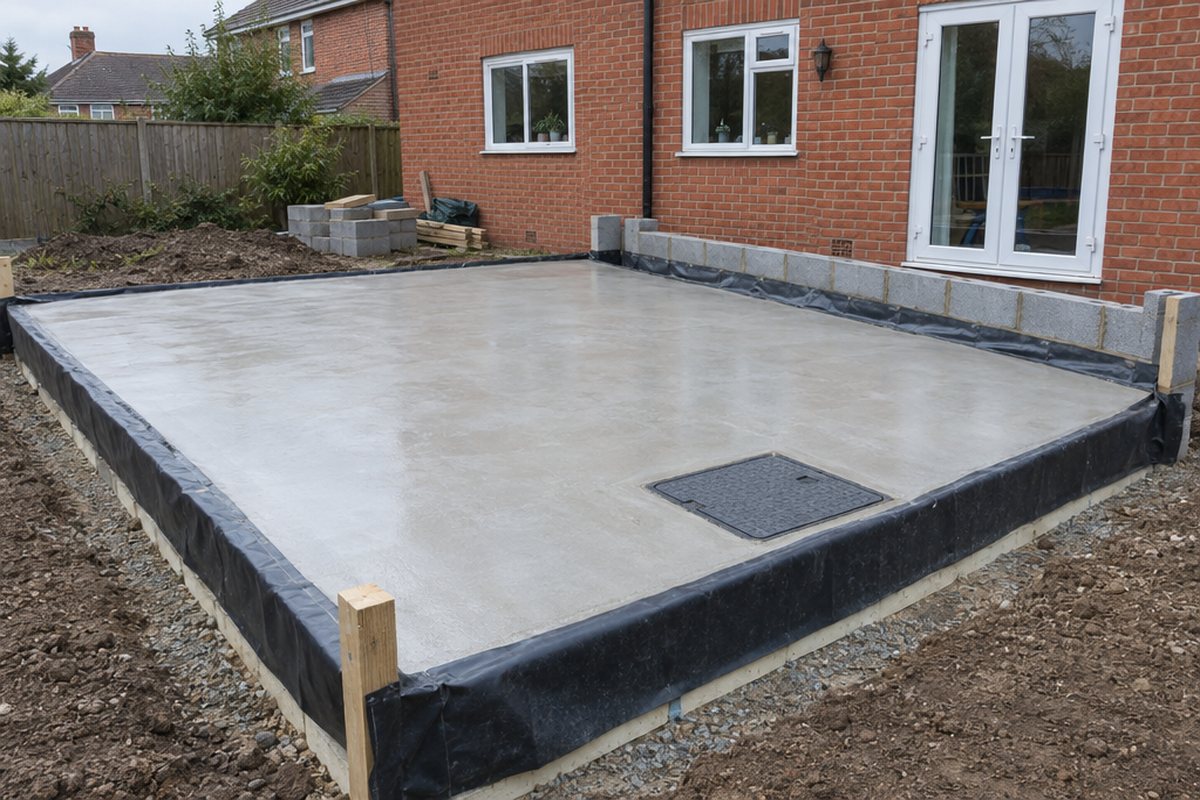 BeforeAfter
How the job runs
01
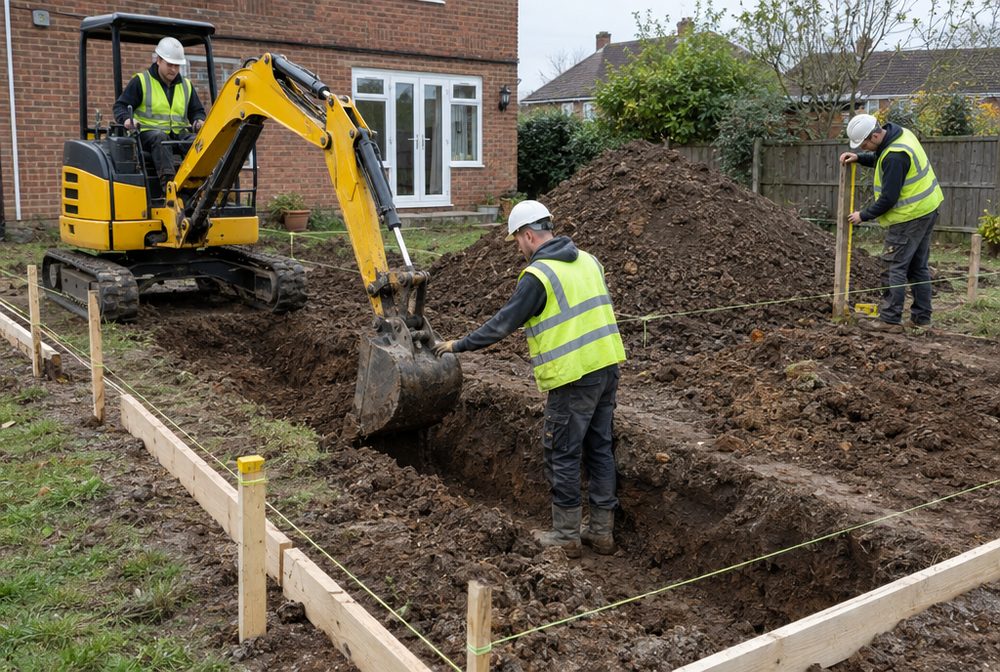
Profile boards and string lines from the drawings, services traced and marked before a bucket goes in.
02
Trenches dug to the agreed depth. Building control look at the open trench before any concrete; check the builder books every inspection.
03
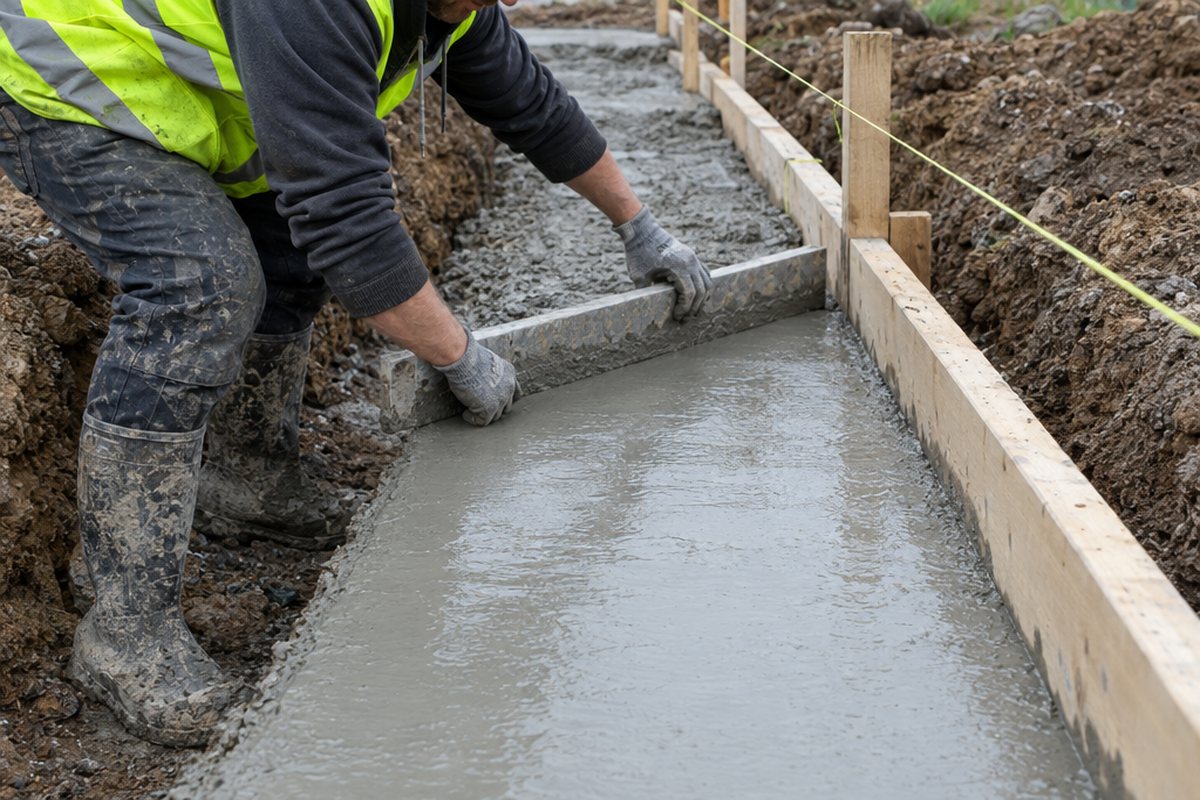
Concrete poured and levelled, drains laid to fall on a bed and tested, then inspected again before they are covered.
04
Hardcore, blinding, membrane, insulation and the floor slab, with pipes and ducts in the right places for later.
On the job
Questions
Get quotes
A rough idea and a postcode is enough. We'll pass it to local builders who cover your area, and they'll contact you directly.
Towns covered
Other services